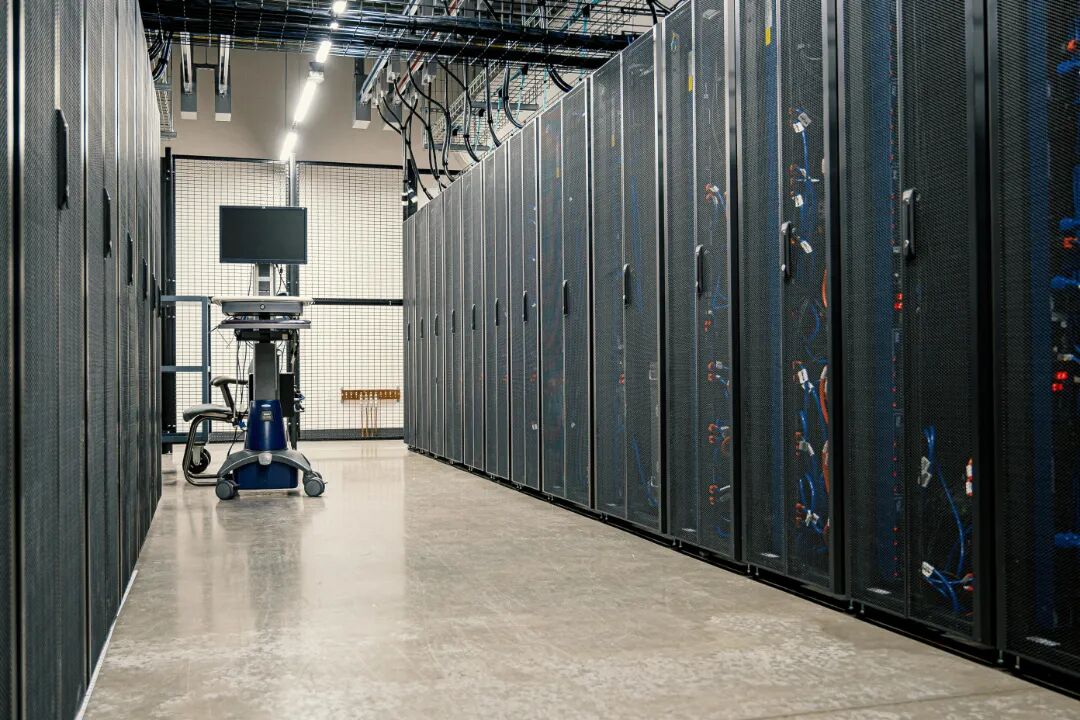
UPC Small & Medium-Sized Data Center Solutions
Foreword
In the digital era, small and medium-sized data centers are critical infrastructure for small and medium-sized enterprises (SMEs) to store, process, and transmit core data. Their construction and deployment directly impact business stability and development potential. This article focuses on the composition of small and medium-sized data centers, mainstream brand configurations at the physical facility level, and suitable leasing alternatives, providing comprehensive reference directions for SMEs that balance practicality, economy, and ease of maintenance.
I. Core Components of a Data Center
A small and medium-sized data center is not a collection of single devices, but a streamlined complete system composed of the IT resource layer and the physical facility layer. The two layers work in coordination, balancing cost and stability to ensure data security and business continuity. The IT resource layer focuses on practical computing power support, including small and medium-sized servers, streamlined storage systems, and basic network equipment, meeting the daily data computing, application hosting, and data storage needs of SMEs without pursuing high-end configurations.
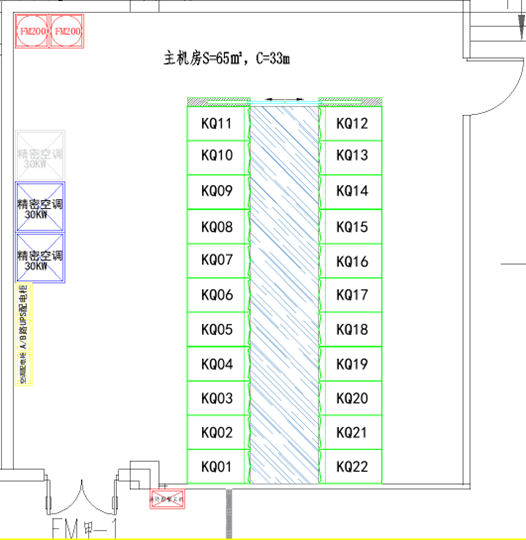
The physical facility layer is the core guarantee for the stable operation of small and medium-sized data centers. It requires no complex configuration and mainly covers basic power systems, adaptive cooling systems, simple physical security, and convenient management and monitoring tools. It also divides small main equipment rooms and simple auxiliary areas to meet the basic design requirements of national standards, balancing cost and ease of maintenance. The components rely on each other to form an efficient, easy-to-maintain data processing environment.
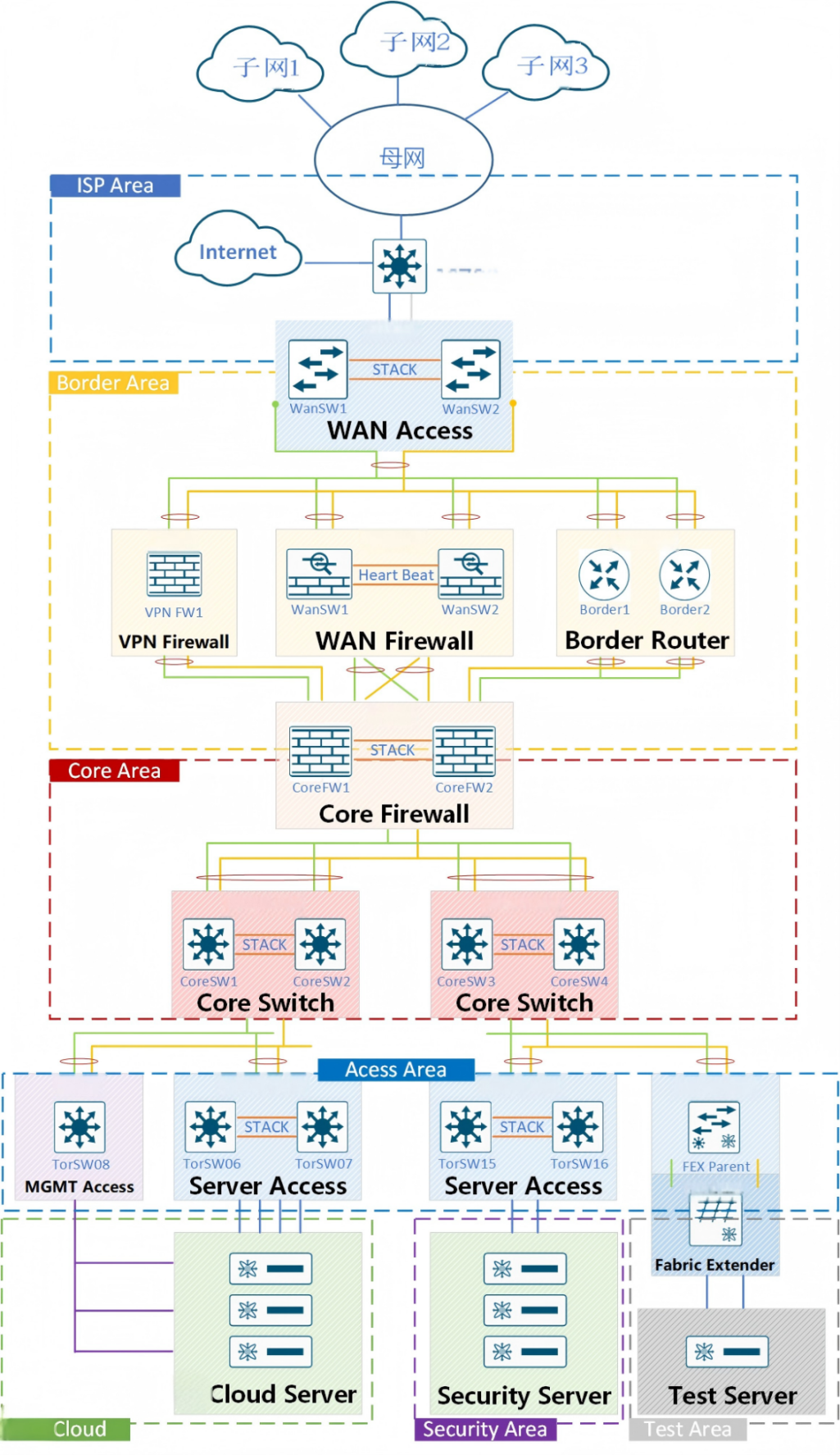
II. Mainstream Brands and Configuration Recommendations for the Physical Facility Layer of Small and Medium-Sized Data Centers
The physical facility layer of small and medium-sized data centers takes "high cost-effectiveness, easy maintenance, and adaptability to small computer rooms" as its core principle, focusing on four core modules: power, cooling, physical security, and management monitoring. Based on the needs of small and medium-sized enterprises, the following specifies the adaptive configuration requirements for each sub-field, balancing cost and stability, with corresponding scenario images for intuitive reference:
1. Power System (UPS, PDU, Emergency Power): For UPS, select 10-60kVA capacity, supporting modular expansion, with dual mains redundancy design, easy operation and low maintenance cost, which can meet the daily power consumption and emergency power switching needs of small and medium-sized computer rooms; PDU should be compact in size, support remote monitoring of current and voltage, with overload automatic protection function to ensure stable power transmission; for emergency power, no need to configure large generators, 1-10kVA capacity is sufficient, ensuring short-term stable operation after power outages and meeting the emergency power supply needs of core equipment. Mainstream recommended brands: Schneider, Vertiv, Eaton, Huawei, Kehua, Kstar, Santak, etc.
2. Cooling System: Select precision air conditioners suitable for small computer rooms, with cooling capacity covering 3-15kW, supporting constant temperature and humidity control (temperature accuracy ±1℃, humidity ±5%), energy-saving and easy to maintain, which can meet the heat dissipation needs of the core area of the computer room; no need to configure high-end liquid cooling solutions, prioritize models with small footprint, easy installation, and support for intelligent speed regulation, effectively reducing energy consumption and maintenance costs, adapting to the space and usage needs of small and medium-sized computer rooms. Mainstream recommended brands: Schneider, Vertiv, Huawei, iTeQ, etc.
3. Physical Security: Based on the principle of "simple and practical, controllable cost", configure a basic monitoring system to achieve 24-hour non-blind-spot monitoring of the computer room, with convenient operation, without complex AI functions; equip door access devices with dual verification of face and password, easy to install, to prevent unauthorized personnel from entering; no need for complex linkage design, ensure access records are traceable, meeting the basic security and baseline compliance requirements of SMEs. Mainstream recommended brands: Hikvision, Dahua, etc.
4. Management Monitoring Tools (DCIM): Select a simplified version system that is easy to operate and low-cost, with a clean interface, supporting real-time monitoring and fault alerts for core equipment such as power and cooling, which can be operated without a professional operations and maintenance team; adapts to the equipment scale of small and medium-sized data centers, enabling real-time monitoring of the operating status of core equipment, effectively reducing maintenance difficulty and labor costs, and ensuring stable operation of the computer room. Mainstream recommended brands: Schneider, Vertiv, Huawei, Gongji, etc.

III. Leasing Alternatives for Small and Medium-Sized Data Centers
For SMEs with limited funds and no professional operations and maintenance team, leasing a data center is a more cost-effective choice, which can significantly reduce early-stage construction and later-stage maintenance costs, fitting the development needs of small and medium-sized enterprises. The leasing model is mainly divided into three types: small whole-cabinet leasing, server colocation, and lightweight cloud data centers, adapting to SMEs of different scales.
Small Whole-Cabinet Leasing is suitable for SMEs with a small amount of their own equipment. They lease small standardized cabinets (1-2) and supporting power and cooling resources provided by the leasing service provider, deploy a small number of servers themselves, without bearing the cost of computer room construction and environmental maintenance, and enjoy basic operations and maintenance support, adapting to enterprises with certain equipment needs but limited funds.
Server Colocation is for enterprises that already have a small number of servers. The equipment is placed in the service provider's computer room, and the service provider is responsible for the environmental maintenance and equipment security of the computer room, without the need to invest in human operations and maintenance, with controllable costs.
Lightweight Cloud Data Centers (such as Alibaba Cloud Lightweight Application Server, Tencent Cloud Lightweight Cloud) are the optimal choice for SMEs, adopting a pay-as-you-go model, without purchasing any hardware, directly renting computing and storage resources suitable for SMEs, elastically scaling according to business traffic, reducing operations and maintenance costs by more than 90%, easy to operate, without a professional operations and maintenance team, while enjoying value-added services such as basic backup and compliance certification, adapting to start-up SMEs and scenarios with smaller business scales.
In summary, SMEs can choose to self-build or lease small and medium-sized data centers based on their own financial strength, business needs, and operations and maintenance capabilities. Self-building is suitable for SMEs with stable business, high data sensitivity, and basic operations and maintenance capabilities, while leasing is more suitable for start-up, fund-limited, or SMEs without professional operations and maintenance teams. The core is to achieve a two-way adaptation of data security and business development under the premise of cost control.