
Event Recap | Universal-PC Joins Splunk, Tenable, and SUSE to Explore New Paradigms of Enterprise Resilience in the Digital Era
On September 4, Universal-PC (U-PC) hosted “Securing the Future — Building a New Paradigm of Enterprise Resilience in the Digital Era” at W Shanghai – The Bund, together with Splunk, Tenable, and SUSE.
Industry professionals from IT, cybersecurity, and digital transformation gathered to explore how enterprises can build future-ready digital resilience — from observability and security operations in the AI era, to threat exposure management and the transformation of enterprise IT infrastructure.
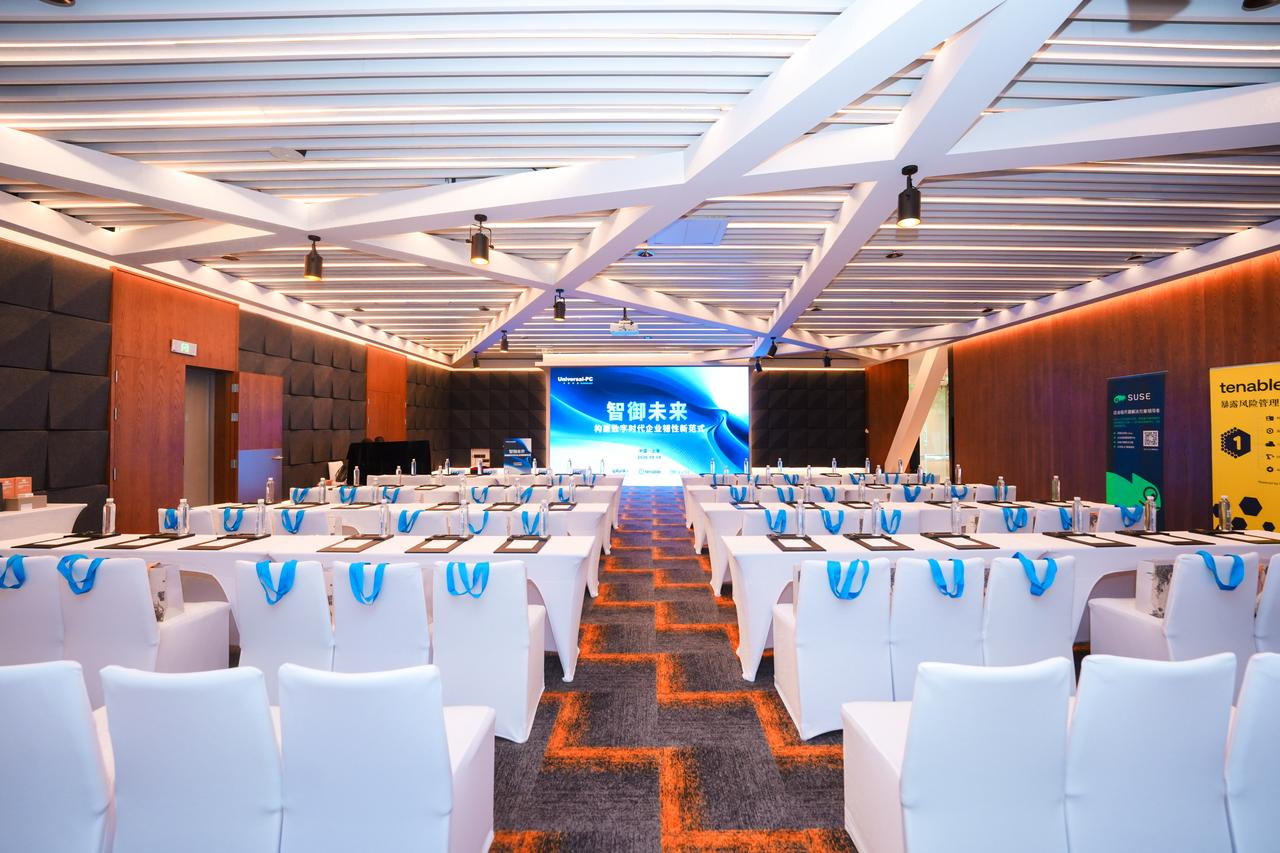
Opening Remarks | Rethinking Enterprise Security with AI as the New Variable
The event opened with remarks from Kevin Yin (殷成刚), General Manager of Splunk China, officially setting the stage for the event.
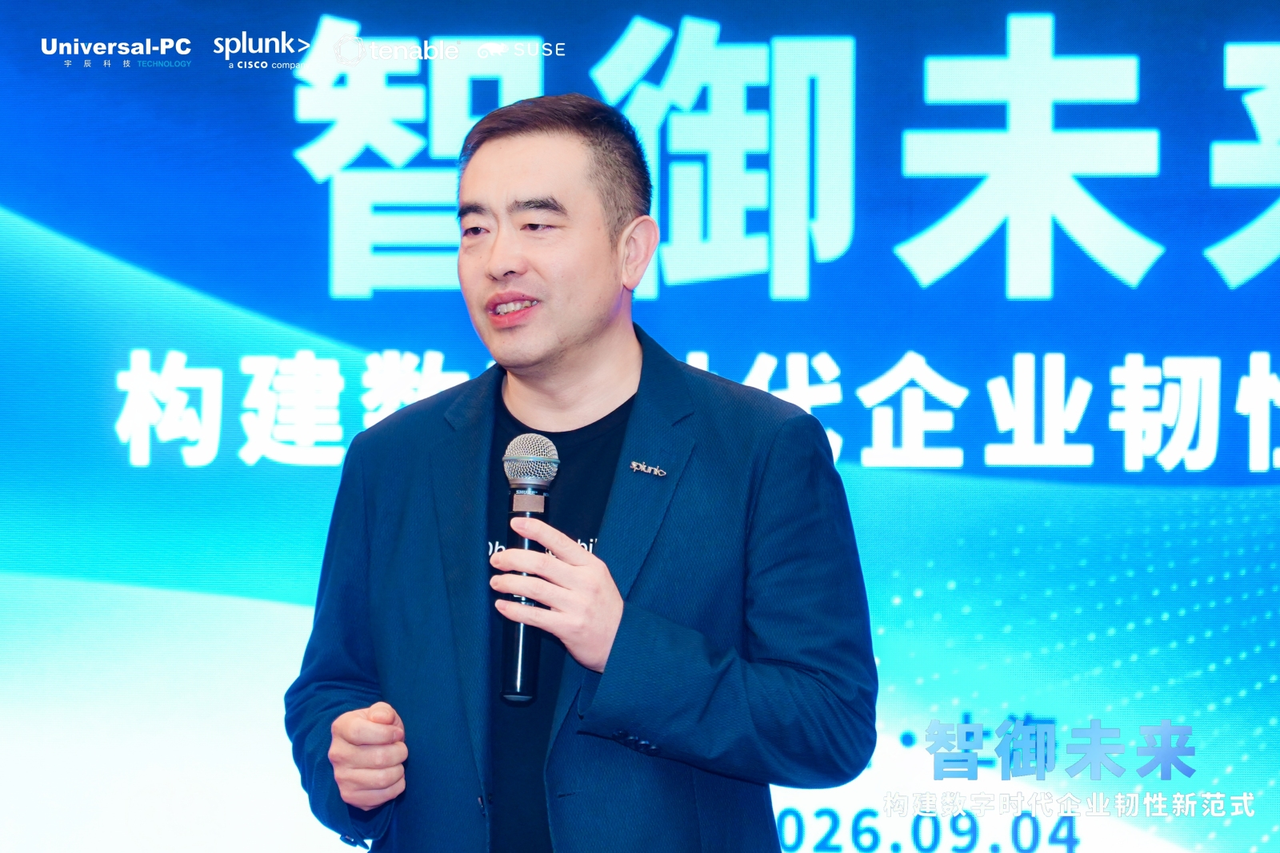
AI is becoming a key engine of digital innovation, but AI applications, AI Agents, and increasingly complex digital infrastructure are also creating new security and operational challenges.
From “Can we see it?” to “Can we respond in time?”, and ultimately “Can we proactively identify and address risks before they occur?”, enterprise security is evolving from traditional passive defense toward a more intelligent, proactive, and continuous resilience framework.
Against this backdrop, the event brought together enterprise security leaders to explore a critical question: As AI introduces new types of risk, how can enterprises build a security framework that can see clearly, respond quickly, defend proactively, and remain resilient under pressure?
See: Redefining Observability in the AI Era
The first step in security is always to see. But in the AI era, traditional system monitoring is no longer enough.
AI Agents are becoming part of enterprise workflows, autonomously calling tools, accessing data, and executing tasks. Enterprises need to know not only whether systems are operating normally, but also: What is an AI Agent doing? Why is it doing it? Can its output be trusted? And can anomalies be detected in time?
At the event, Gavin Xie, Senior Solutions Engineer at Splunk, delivered a keynote titled “Bridging the Trust Gap: Splunk Observability for Secure, Trusted, and Reliable Enterprise AI Applications.”
The session explored how observability for AI Agents can enable end-to-end monitoring of Agent behavior, helping enterprises improve AI application reliability while supporting risk identification, anomaly blocking, and cost control.
From monitoring systems to understanding AI behavior, the boundaries of enterprise observability are being redefined.
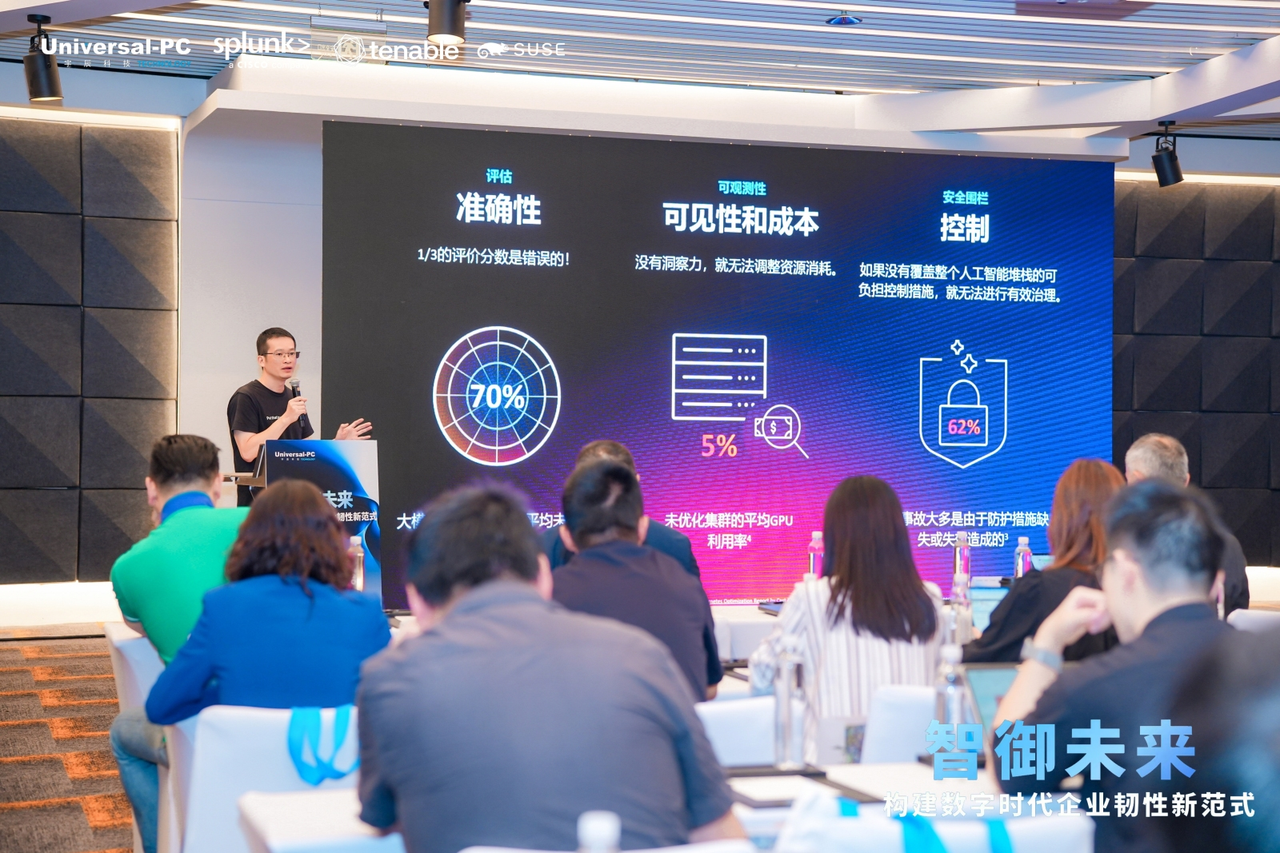
Respond: Moving Security Operations from “Manual Alert Handling” to AI-Driven Defense
Once you can see the problem, what comes next? Response.
In traditional security operations, a large volume of alerts still relies on manual investigation, analysis, and remediation.
But as attacks become increasingly AI-driven and move at greater speed, security teams can no longer afford to rely solely on manually monitoring alerts and creating tickets. Otherwise, they risk facing a growing volume of alerts while making it harder to identify the threats that truly matter.
At the event, Charles Xuan, Senior Solutions Expert at Yuchen Technology, delivered a keynote titled “Resilience as a Service: AI-Driven Evolution and Transformation of MSS.”
Drawing on real-world security operations and MSS scenarios, the session explored how AI can help security teams improve threat investigation and response efficiency — enabling security operations to evolve from traditional passive response toward proactive defense.
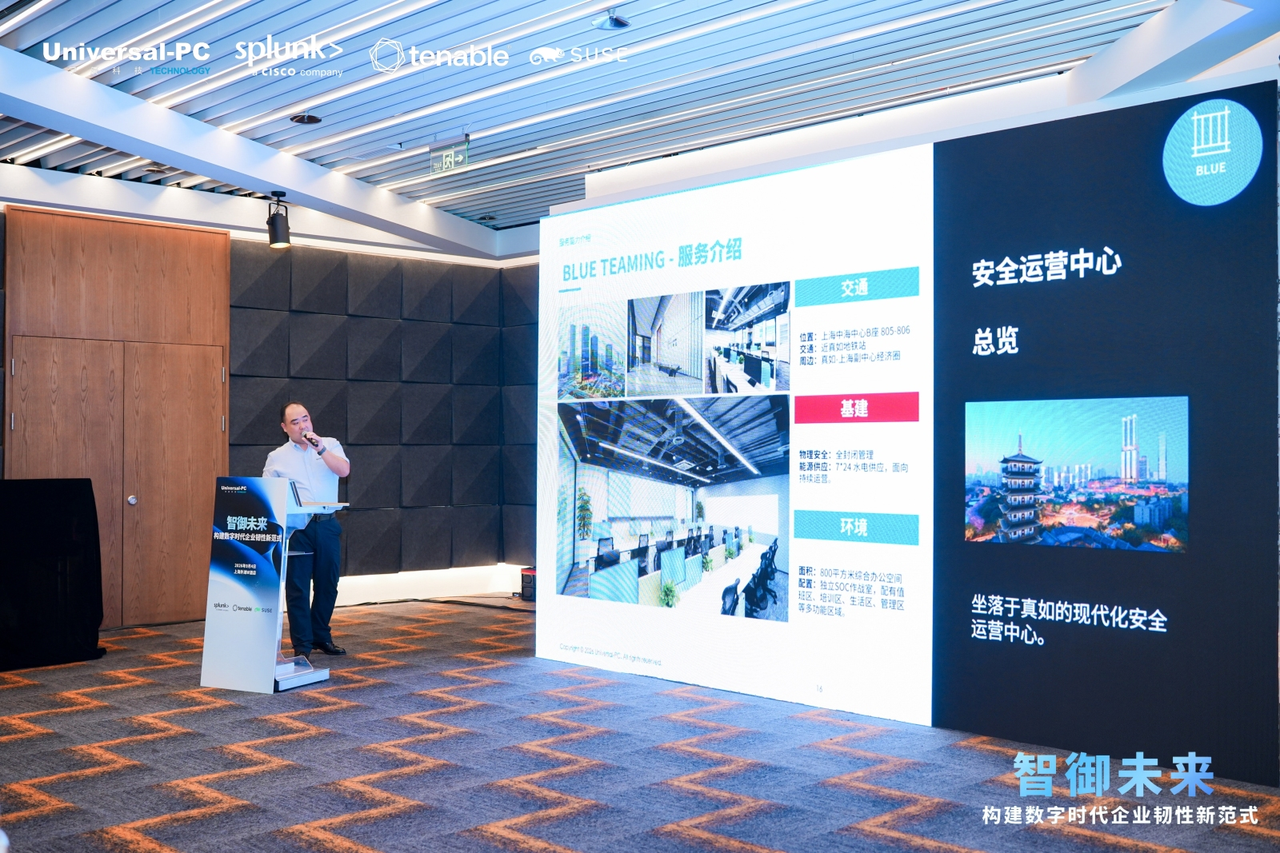
Proactive Defense: From Finding Vulnerabilities to Identifying True Exposure Risks
As enterprise IT environments become increasingly complex, the question for security teams is no longer simply “Do we have vulnerabilities?” but rather: “Among all these vulnerabilities, which ones could actually become attack paths?”
At the event, Jeffrey Guo, Security Technical Advisor at Tenable, delivered a keynote titled “Redefining the Enterprise Security Perimeter: AI-Driven Continuous Threat Exposure Management.”
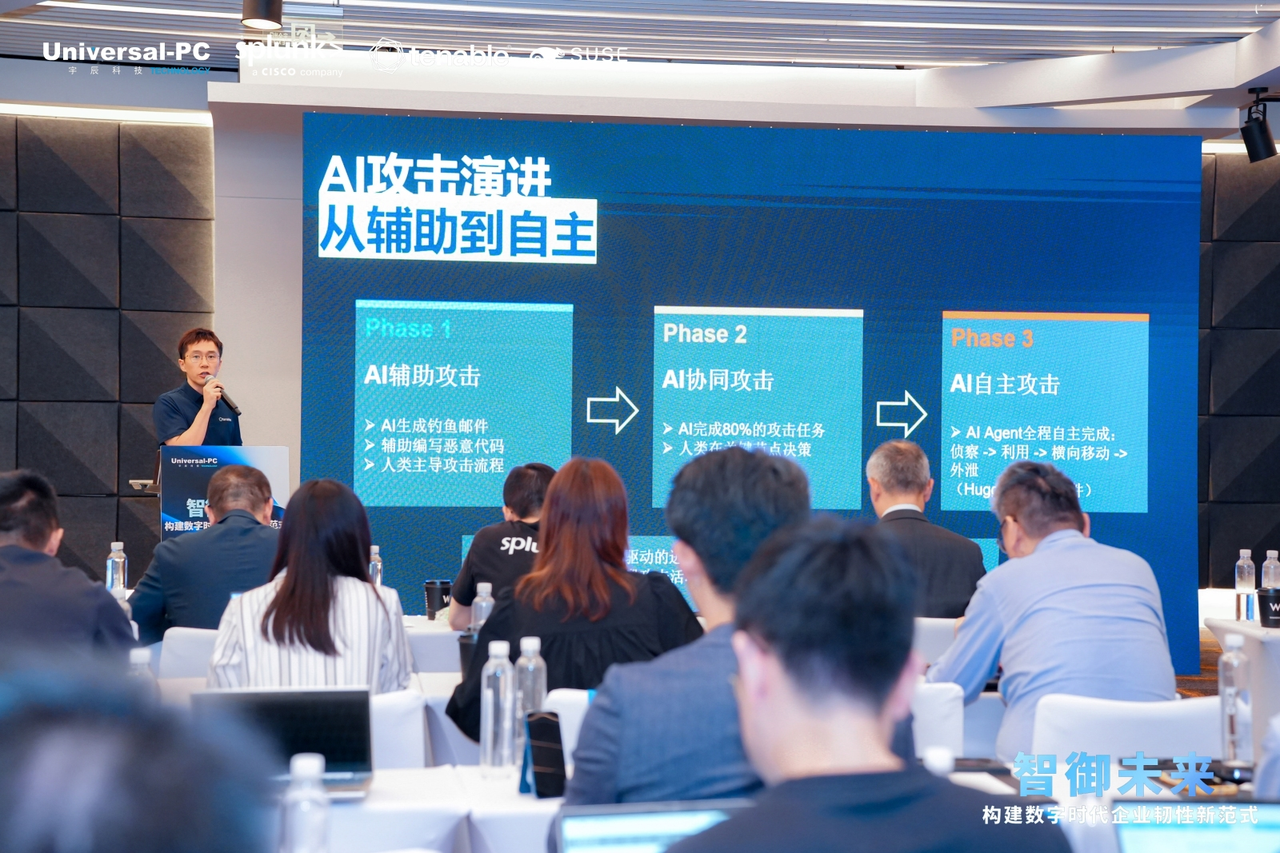
Focusing on AI-driven Continuous Threat Exposure Management, the session explored how enterprises can identify the exposures that represent real attack value from the vast landscape of vulnerabilities and security risks — and improve risk remediation with a more continuous and intelligent approach.
The shift from “vulnerability management” to “exposure management” reflects a fundamental change in how enterprises approach security:
Security teams need to manage not the number of vulnerabilities, but the enterprise’s real attack exposure.
Infrastructure Transformation: Beyond Security, Building Enterprise Resilience
Security ultimately depends on the underlying IT infrastructure. As enterprises continue to adopt AI, business applications, development environments, data platforms, and computing infrastructure are all evolving.
Businesses need to innovate faster, development teams need greater flexibility, while security teams must answer a critical question: How can enterprises support business growth without losing control of the new risks introduced by AI?
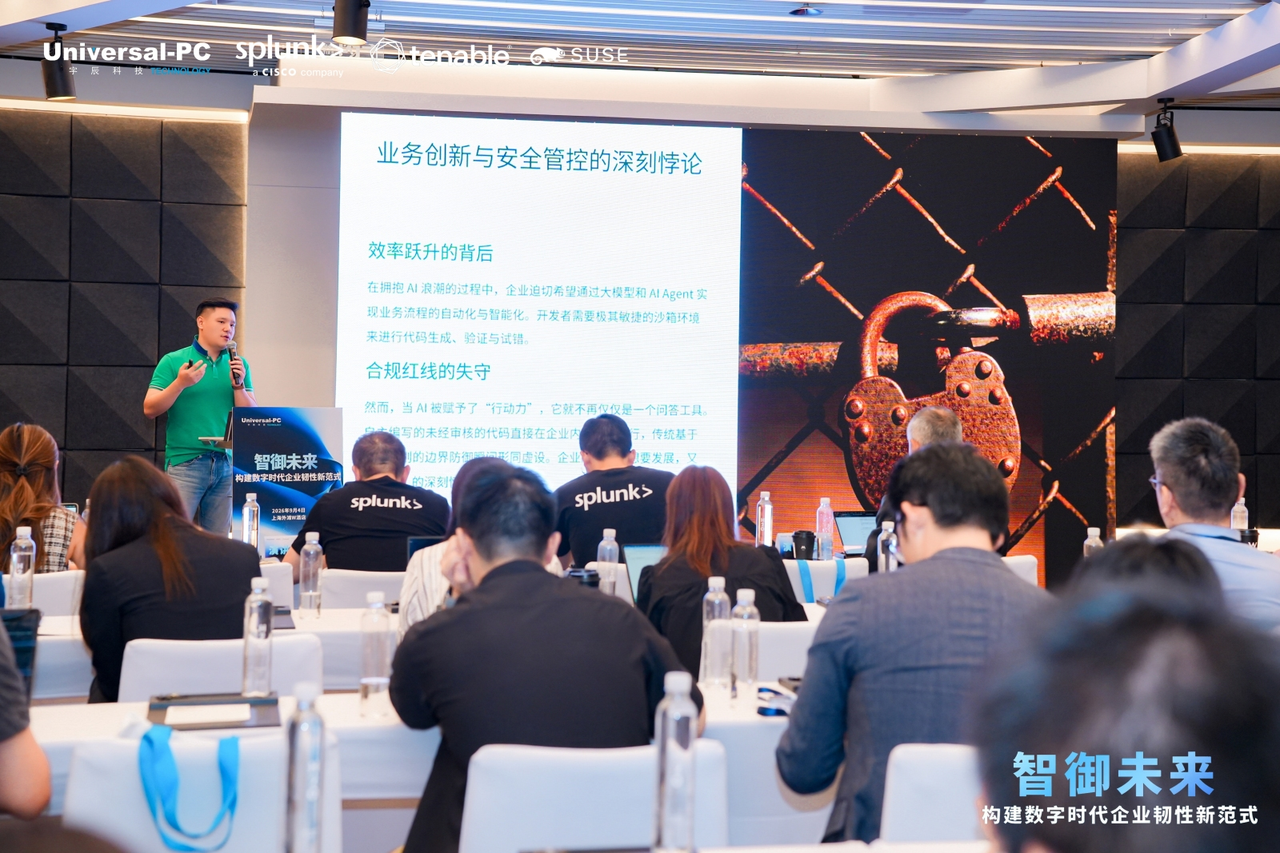
Closing the event, Nick Zhao, Senior Solutions Architect at SUSE, delivered a keynote titled “From Security Defense to Business Resilience: Reimagining Enterprise IT Infrastructure in the AI Era.”
Focusing on the evolving infrastructure landscape in the AI era, the session explored how infrastructure transformation can provide a stronger foundation for enterprise security, stability, and continuous innovation.
Beyond Technology: The Value of Face-to-Face Exchange
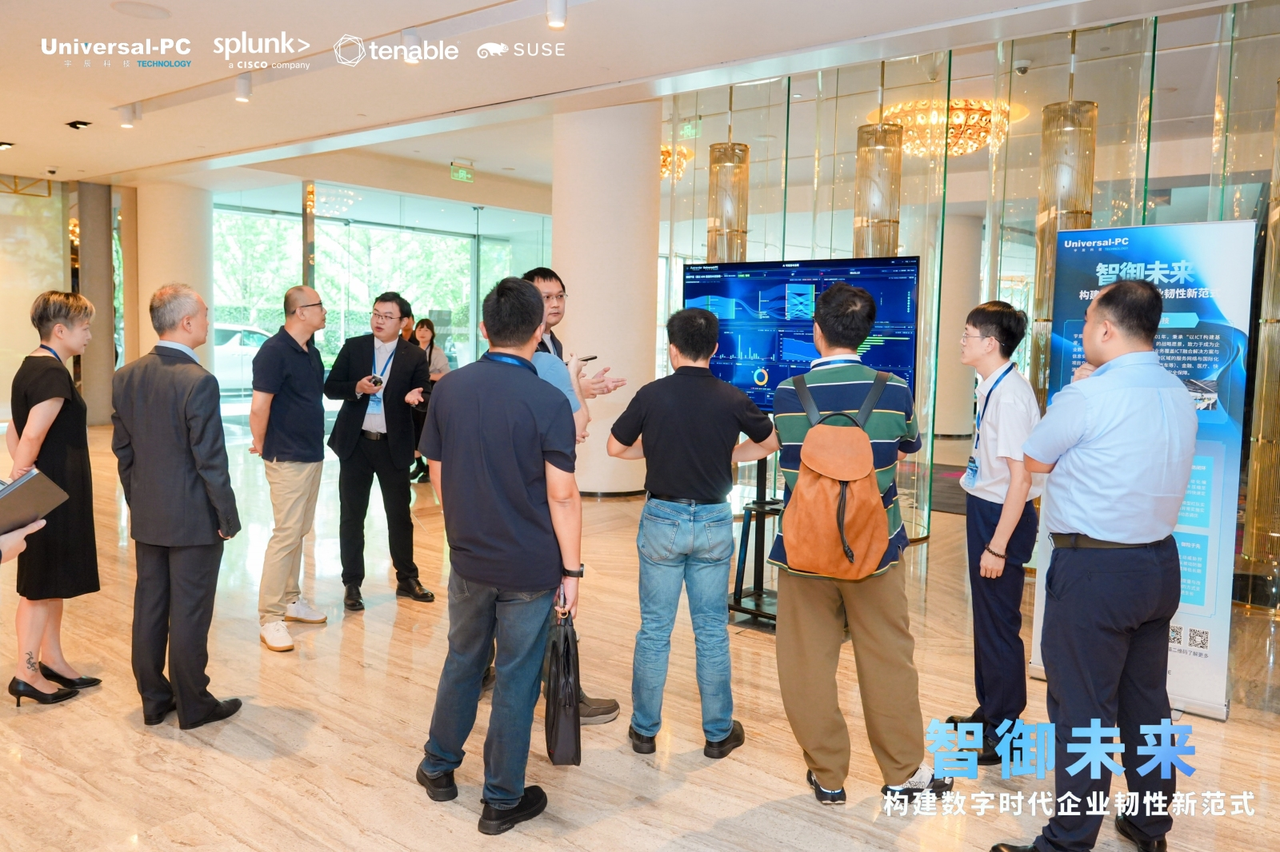
Beyond the high-density technical sessions, the event also created space for meaningful connection — from networking breaks and interactive activities to photo moments at the W Shanghai – The Bund’s Sky Deck.
Guests shared real-world experiences and challenges from their journeys in AI adoption, security operations, and digital transformation.
From the conference room to the Sky Deck, and from technical discussions to informal conversations, new perspectives emerged around enterprise security, AI applications, and the future of digital transformation.

Looking Ahead: Building Digital Resilience for the AI Era
The future of enterprise security is not simply about building a higher “wall.” It is about creating a digital resilience framework that can continuously sense, respond rapidly, defend proactively, and evolve with confidence.
Yuchen Technology will continue to work closely with ecosystem partners, driven by technology and centered on customer needs, to explore new paradigms for enterprise digital transformation and security in the AI era.
